
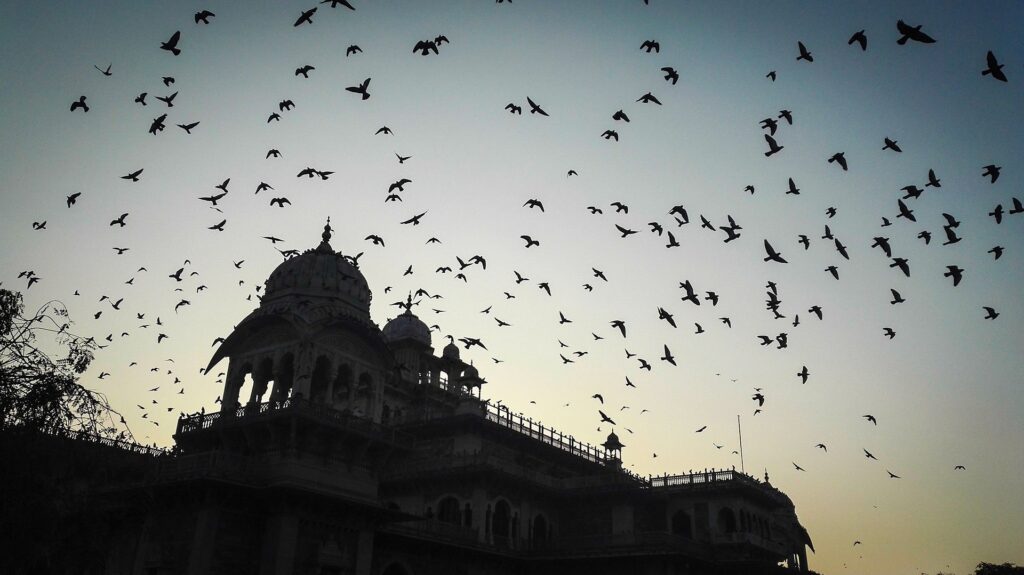
Jaipur is home to some of India’s most iconic monuments, each telling a story of its own. Here are the must-see landmarks:
Jaipur, famously known as the “Pink City,” is a mesmerizing blend of culture, history, and stunning architecture. Established in 1727 by Maharaja Jai Singh II, Jaipur’s old city was painted pink to welcome Prince Albert in 1876, which gave it its iconic name and appearance. Today, Jaipur’s historic architecture, lively streets, and royal past draw millions of travelers from around the world. Here’s a comprehensive guide to making the most of a Pink City tour.
- 1. Introduction to Jaipur’s Pink City
- 2. Top Historic Landmarks in Jaipur
- 3. Unique Architectural Features of Jaipur
- 4. Best Ways to Explore the Pink City
- 5. Shopping and Cultural Experiences Near Jaipur’s Monuments
- 6. Local Culinary Delights and Street Food Tour
- 7. Best Times to Visit Jaipur’s Historic Sites
- 8. Travel Tips for First-Time Visitors
- Conclusion: Embracing the Charm of Jaipur’s Pink City
1. Introduction to Jaipur’s Pink City
2. Top Historic Landmarks in Jaipur
Jaipur, the capital of Rajasthan, is a living testament to royal India, with its forts, palaces, and vibrant bazaars. Often called the gateway to India’s desert kingdom, Jaipur reflects the opulence and beauty of Rajasthan’s history. Known for its architectural marvels, Jaipur’s unique use of pink sandstone adds to the charm of its old city.
- Hawa Mahal (Palace of Winds): Built in 1799, this pink and red sandstone marvel allowed royal women to observe the city’s happenings from its 953 small windows without being seen.
- City Palace: A blend of Rajput and Mughal architecture, the City Palace complex houses museums, royal artifacts, and lush courtyards that offer insight into Jaipur’s regal past.
- Amber Fort and Sheesh Mahal: Located on a hill, Amber Fort showcases intricate carvings, Mughal-inspired design, and the Sheesh Mahal (Mirror Palace), known for its beautiful mirror work.
- Jantar Mantar: A UNESCO World Heritage Site, Jantar Mantar is an observatory built in the 18th century and contains the world’s largest stone sundial.
- Nahargarh Fort and Jaigarh Fort: Built for defense, these forts offer panoramic views of Jaipur and stand as symbols of Rajput resilience and architectural prowess.
3. Unique Architectural Features of Jaipur
Jaipur’s architecture is a unique blend of Rajput, Mughal, and European styles:
- Pink Sandstone: The city’s use of pink sandstone in its buildings is a defining feature, symbolizing hospitality and warmth.
- Rajput and Mughal Fusion: Many structures in Jaipur reflect a fusion of Rajputana elegance and Mughal grandeur, with intricate carvings, ornate facades, and beautiful courtyards.
- Symbolism in Design: The city’s architectural layout follows Vastu Shastra principles, representing harmony between architecture and nature.
4. Best Ways to Explore the Pink City
Exploring Jaipur’s Pink City can be a memorable experience with the right mode of transportation. Here are a few recommended options:
- Walking and Guided Tours: Many travel agencies offer walking tours that take you through the historic parts of the city, providing valuable insights into Jaipur’s history and culture.
- Rickshaw and Bicycle Tours: These eco-friendly options are ideal for navigating the narrow lanes of the old city and are available through various tour operators.
- Photography Tours: Jaipur is a photographer’s paradise, and guided tours can help capture the Pink City’s essence, especially at sunrise and sunset.
5. Shopping and Cultural Experiences Near Jaipur’s Monuments
Jaipur is a shopper’s paradise, known for its handicrafts, jewelry, and textiles. Here are a few must-visit markets:
- Johari Bazaar: Known for traditional Rajasthani jewelry, especially its intricate silver and gemstone work.
- Bapu Bazaar: A hub for colorful textiles, bandhani sarees, and Rajasthani footwear (mojris).
- Rooftop Cafés with Monument Views: Cafés like Wind View Café offer incredible rooftop views of landmarks such as the Hawa Mahal, making them perfect spots to relax and capture beautiful photos.
6. Local Culinary Delights and Street Food Tour
Jaipur’s cuisine is as rich as its architecture, offering a blend of spicy, sweet, and savory flavors:
- Must-Try Dishes: Sample dal baati churma, gatte ki sabzi, and laal maas at local restaurants for an authentic Rajasthani experience.
- Popular Street Food Spots: For street food, try kachori at Rawat Mishtan Bhandar and lassi at Lassiwala on MI Road.
7. Best Times to Visit Jaipur’s Historic Sites
The best time to visit Jaipur is from November to February when the weather is cooler and more comfortable for exploring. Additionally, this period coincides with some major festivals:
- Jaipur Literature Festival: A globally recognized event held in January, attracting writers, artists, and culture enthusiasts from around the world.
- Diwali Celebrations: Experience Jaipur’s festive spirit during Diwali, when the Pink City is decorated with lights and festivities.
8. Travel Tips for First-Time Visitors
To make the most of your Pink City tour, keep these travel tips in mind:
- Plan Ahead: Jaipur’s popular attractions can get crowded, so plan visits to major sites early in the morning.
- Dress Modestly: Rajasthan’s culture is traditional, so wearing modest clothing is recommended, especially at religious sites.
Conclusion: Embracing the Charm of Jaipur’s Pink City
Jaipur’s Pink City offers a mesmerizing journey through India’s regal history, rich culture, and architectural splendor. From exploring the intricacies of Amber Fort to experiencing the bustling bazaars, Jaipur blends historical immersion with vibrant, modern-day experiences. For all your travel needs in Jaipur, from curated tours to the best local tips, connect with PiperTrips.com to ensure your visit is unforgettable and seamless.
Embrace Jaipur’s charm, warm hospitality, and iconic landmarks—and make memories that last a lifetime.