
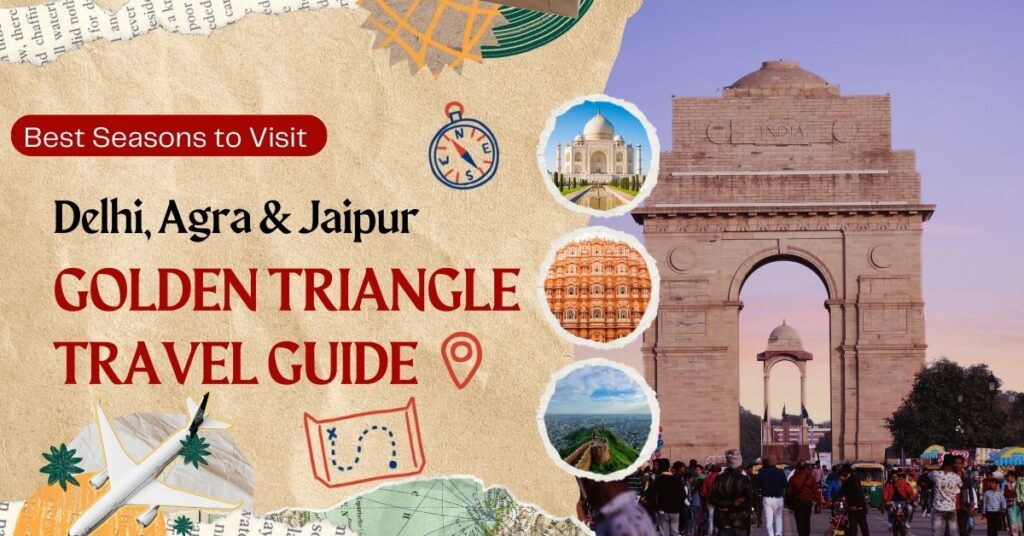
India’s Golden Triangle—comprising the majestic cities of Delhi, Agra, and Jaipur—is a traveler’s dream, a mesmerizing journey through history, culture, and architectural grandeur. From the iconic Red Fort and Humayun’s Tomb in Delhi to the eternal beauty of the Taj Mahal in Agra and the vibrant palaces of Jaipur, this circuit promises an unforgettable adventure.
However, like any diverse destination, the experience of the Golden Triangle can vary dramatically with the seasons. Imagine marveling at the Taj Mahal in pleasant winter sunshine versus battling scorching summer heat! Choosing the best seasons to visit the Golden Triangle is paramount to enjoying your trip to the fullest. This comprehensive guide will break down the weather patterns, crowd levels, and unique experiences each season offers, helping you plan your perfect Indian escapade for 2026 and beyond.
Why Choosing the Right Season Matters for Your Golden Triangle Trip
Understanding the climate of North India is crucial. The region experiences distinct seasons, each bringing its own charm and challenges. The right season can mean:
Comfortable Sightseeing: Exploring historical sites without extreme heat or cold.
Optimal Photography: Clear skies and pleasant lighting for stunning pictures of the Taj Mahal, Amber Fort, and Delhi’s monuments.
Enjoyable Local Experiences: Participating in festivals, market strolls, and outdoor activities without weather hindrances.
Managing Crowds: Potentially avoiding the peak tourist rush for a more serene experience.
Budget Considerations: Finding better deals on flights and accommodation during off-peak times.
Let’s dive into the details of each season to help you decide the best time to visit the Golden Triangle.
The Golden Period: October to March (Cool, Dry & Peak Tourist Season)
Without a doubt, the period from October to March is the best season to visit Delhi, Agra & Jaipur. This is when the weather is at its most favorable, offering cool, dry, and sunny days perfect for extensive sightseeing and outdoor activities.
October & November: The Post-Monsoon Bliss
Weather: The monsoon recedes, leaving behind lush landscapes and clear skies. Temperatures are warm but pleasant, ranging from 15°C to 30°C (59°F to 86°F). Humidity drops significantly.
Crowds: Tourist season begins to pick up, but it’s not yet at its absolute peak, offering a good balance.
Why it’s great:
Excellent Weather for Exploration: Ideal for walking tours, visiting forts, and enjoying outdoor markets.
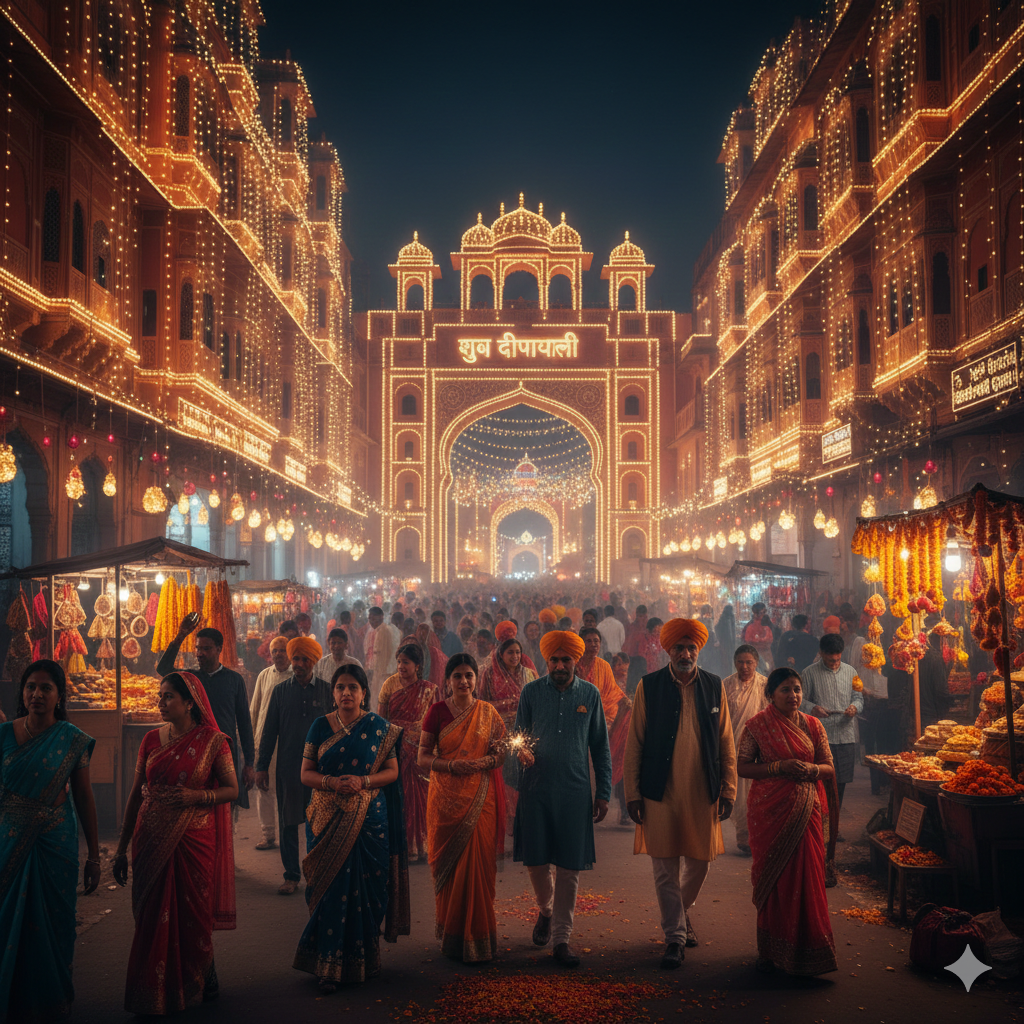
Festive Vibes: Diwali (the festival of lights) often falls in October or November, transforming cities into vibrant spectacles. Experiencing Diwali in Delhi or Jaipur is magical.
Lush Greenery: The post-monsoon period means parks and gardens are at their greenest.
Things to Do: Explore the ancient ruins of Delhi, witness the Taj Mahal at sunrise, enjoy elephant rides at Amber Fort, and immerse yourself in local festivals.
December & January: The Chilly Charm of Winter
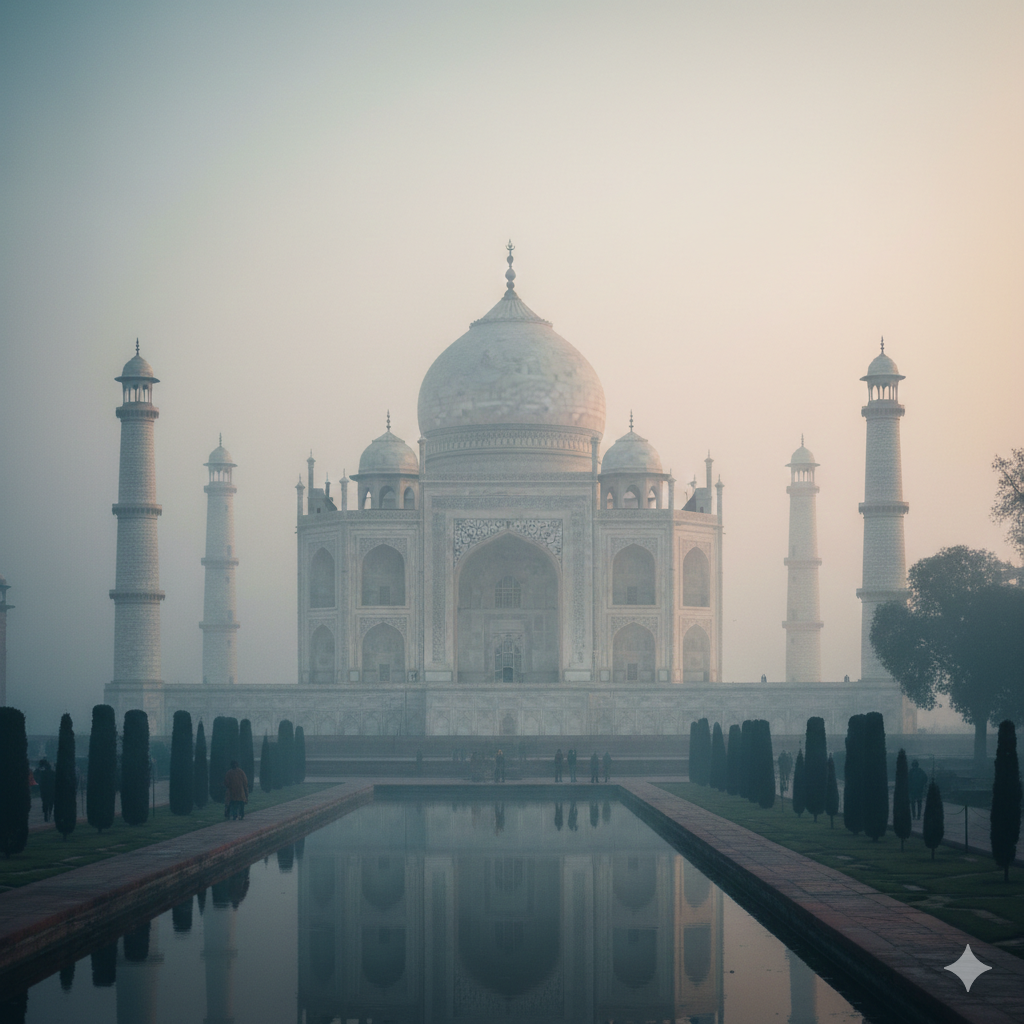
Weather: These are the coldest months, with temperatures ranging from 5°C to 20°C (41°F to 68°F). Mornings can be foggy, especially in Delhi and Agra, which sometimes affects visibility at monuments. Days are typically bright and sunny once the fog lifts.
Crowds: This is peak tourist season, attracting visitors from around the globe, especially around Christmas and New Year. Expect higher prices and larger crowds.
Why it’s great:
Comfortable Days: Perfect for spending extended periods outdoors without getting exhausted by the heat.
Festive Atmosphere: Christmas and New Year bring a celebratory mood to hotels and major tourist areas.
Cozy Evenings: Enjoy warm Indian chai and delicious winter delicacies.
Things to Do: Wrap up warm for early morning visits to the Taj Mahal to avoid some crowds (and potentially see it through a mystical fog), explore Delhi’s many museums, enjoy a hot cup of coffee at a rooftop café in Jaipur, and indulge in hearty winter street food.
February & March: The Pleasant Transition to Spring
Weather: Winter begins to recede, and temperatures gradually rise, ranging from 15°C to 30°C (59°F to 86°F). Days are warm and sunny, with cool evenings. Humidity remains low.
Crowds: Still part of the peak season, but crowds might start to thin slightly by late March.
Why it’s great:
Ideal Weather: Continues to offer excellent conditions for all types of sightseeing and outdoor activities.
Holi Festival: If timed correctly, you could experience Holi, the vibrant festival of colors, usually in March. This is an incredible cultural experience.
Blooming Gardens: Parks and gardens across all three cities are at their most beautiful, with flowers in full bloom.
Things to Do: Explore the stunning Mughal Gardens in Delhi, enjoy boat rides in Agra’s Yamuna River (weather permitting), and participate in cultural events in Jaipur.

The Shoulder Seasons: April to June (Hot, Dry & Lower Crowds)
This period marks the transition from pleasant winter to scorching summer. While challenging due to the heat, it can be a good option for budget travelers or those looking to avoid peak crowds.
April & May: The Onset of Summer Heat
Weather: Temperatures soar, often reaching 30°C to 45°C (86°F to 113°F), sometimes even higher. Days are hot and dry, with strong sunshine.
Crowds: Tourist numbers drop significantly, meaning fewer crowds at major attractions and potentially shorter queues.
Why it’s good (for some):
Budget-Friendly: Lower demand means better deals on flights, hotels, and tour packages.
Fewer Crowds: A more peaceful experience at popular sites like the Taj Mahal, allowing for unobstructed photos.
Early Mornings & Late Evenings: If you plan your day around the heat, you can still enjoy sightseeing during cooler hours.
Challenges: The intense heat can be very draining and make extensive outdoor exploration difficult. Dehydration is a concern.
Tips: Plan outdoor activities for early mornings or late evenings. Stay hydrated, wear light cotton clothing, use sunscreen, and seek air-conditioned comfort during the midday heat.

June: Pre-Monsoon Heat & Humidity
Weather: Temperatures remain high, often 35°C to 45°C (95°F to 113°F), and humidity starts to increase as the monsoon approaches. The air can feel heavy and oppressive.
Crowds: Very low tourist numbers due to the extreme heat.
Why it’s good (for some):
Same as April/May – very budget-friendly and almost no crowds.
Challenges: The combination of heat and rising humidity can be particularly uncomfortable.
Tips: Similar to April/May, but emphasize even more on hydration and seeking indoor, air-conditioned attractions.
The Monsoon Season: July to September (Wet, Humid & Refreshing)
The monsoon season brings a dramatic change to the landscape, transforming dry plains into lush green vistas. While it has its challenges, it also offers a unique, refreshing perspective of the Golden Triangle.
July, August & September: The Monsoon Rains
Weather: Characterized by heavy rainfall, high humidity, and slightly lower temperatures compared to summer, typically ranging from 25°C to 35°C (77°F to 95°F). Showers can be intense but often interspersed with periods of sunshine.
Crowds: Low to moderate, as many tourists avoid this season.
Why it’s unique:
Lush Greenery: The entire region comes alive with vibrant green landscapes, a stark contrast to the dry summer.
Dramatic Skies: Monsoon clouds create stunning, dramatic backdrops for photography. The Taj Mahal especially looks ethereal against monsoon skies.
Cooler Temperatures: After the summer heat, the rains bring a welcome drop in temperature.
Fewer Crowds & Better Deals: Good for budget travelers and those seeking a quieter experience.
Challenges: Heavy rains can disrupt travel plans, cause waterlogging in some areas, and make walking difficult. Humidity can be uncomfortable.
Tips: Carry waterproof gear (umbrella, raincoat, waterproof shoes). Keep electronics safe. Be flexible with your itinerary. Embrace the rain as part of the experience.
Golden Triangle City-Specific Considerations:
While the overall seasonal guide applies, each city has nuances:
Delhi: Winters can be very foggy, impacting flights and visibility for early morning sightseeing. Summers are brutal. Monsoon brings a fresh look to its many gardens and monuments.
Agra: Fog in winter can be particularly thick around the Taj Mahal and Agra Fort, potentially obscuring views. Summers are intensely hot. Monsoon offers beautiful, reflection-filled views of the Taj.
Jaipur: Winters are pleasant, ideal for exploring forts and palaces. Summers are hot but generally less humid than Delhi or Agra. Monsoon brings out the vibrant colors of the Pink City against green landscapes.
Essential Packing List by Season:
October to March (Winter):
- Light jackets, sweaters, shawls, and thermals (especially for Dec/Jan mornings).
- Comfortable walking shoes.
- Sunscreen and sunglasses.
April to June (Summer):
- Lightweight, breathable cotton clothing.
- Wide-brimmed hat, sunglasses, and strong sunscreen.
- Hydration salts/electrolytes.
- Comfortable sandals.
July to September (Monsoon):
- Waterproof jacket/raincoat and umbrella.
- Waterproof shoes or sturdy sandals.
- Quick-drying clothing.
- Insect repellent.
- Zip-lock bags for electronics.
FAQs About Golden Triangle Travel Seasons:
Q1: What is the absolute best time to visit the Golden Triangle?
A1: October to March offers the most pleasant weather, making it ideal for sightseeing.
Q2: Is it safe to travel to the Golden Triangle during the monsoon?
A2: Yes, it is generally safe. While heavy rains can occur, they usually don’t last all day, and the lush green landscapes offer a unique beauty. Just be prepared for rain and potential minor travel disruptions.
Q3: Can I visit the Golden Triangle in summer (April-June)?
A3: You can, but be prepared for extreme heat. It’s best for budget travelers or those who prefer fewer crowds. Plan activities for early mornings or late evenings and stay hydrated.
Q4: How many days are ideal for a Golden Triangle trip?
A4: Typically, 5 to 7 days allow for a comfortable exploration of Delhi, Agra, and Jaipur, including travel time between cities.
Q5: What should I wear when visiting temples and mosques in India?
A5: Always dress modestly when visiting religious sites. This means covering your shoulders and knees. Carrying a scarf or shawl is always a good idea.
Conclusion: Your Perfect Golden Triangle Adventure Awaits!
The Golden Triangle is an experience that caters to every kind of traveler, offering a blend of ancient history, vibrant culture, and delicious cuisine. By understanding the best seasons to visit Delhi, Agra & Jaipur, you can tailor your trip to your preferences, whether you seek perfect weather, festive celebrations, budget-friendly travel, or a unique monsoon adventure.
From the cool, clear days of winter to the refreshing green landscapes of monsoon, each season paints a different picture of this incredible region. Choose wisely, pack accordingly, and get ready for a journey through the heart of India that you’ll cherish forever. Happy travels in 2026 and beyond!